🦬 Giants of the Plains: What Makes Bison Unique
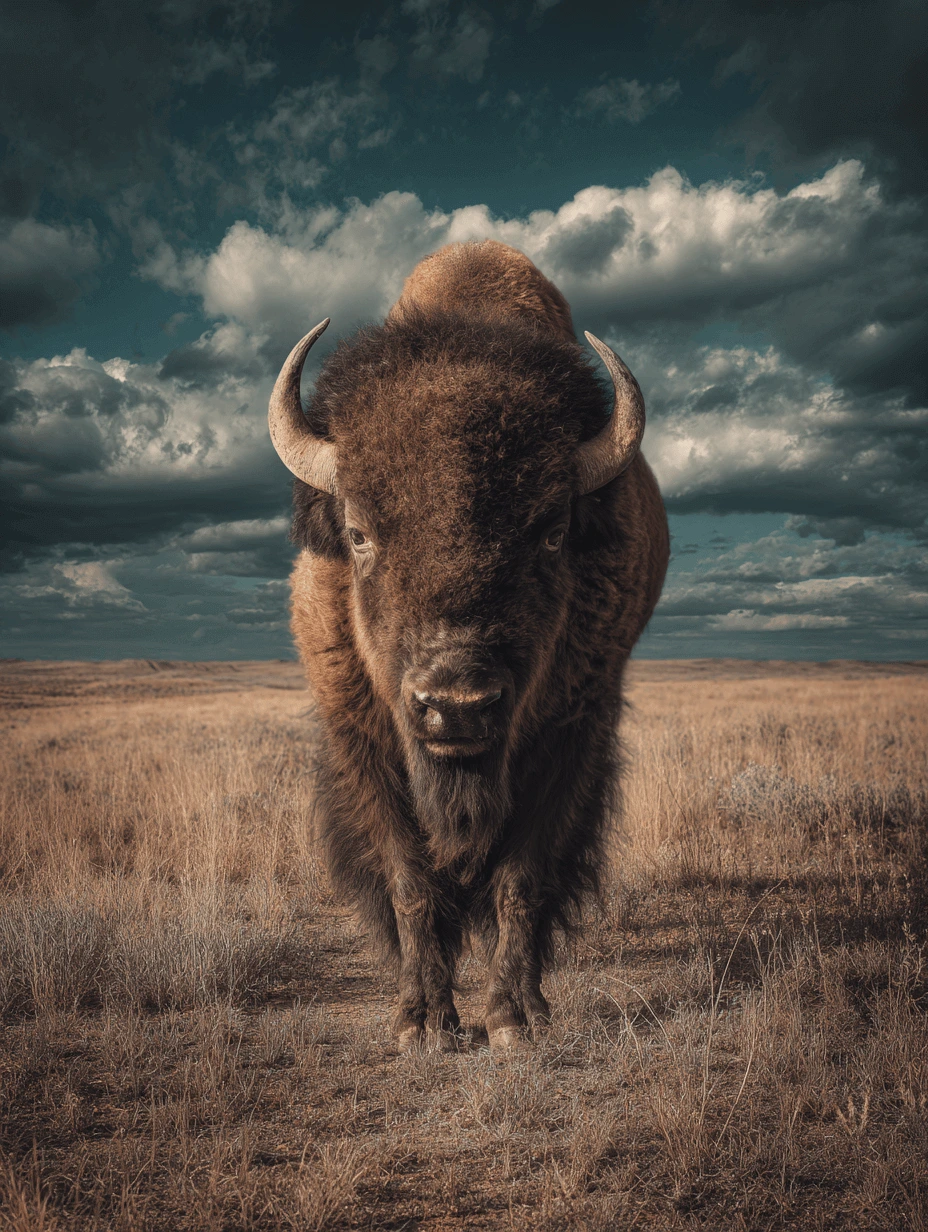
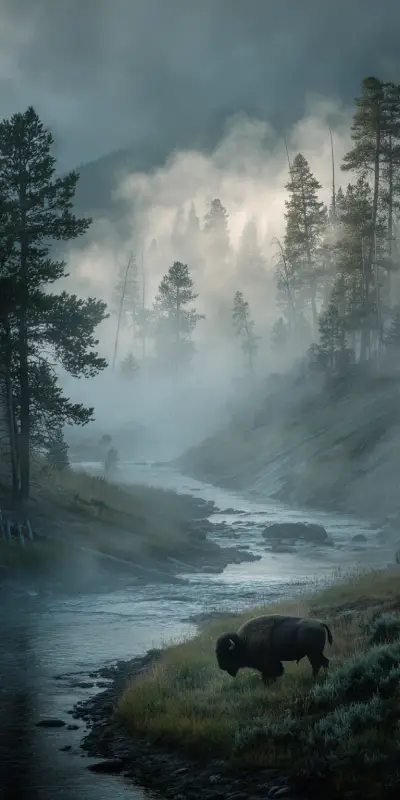
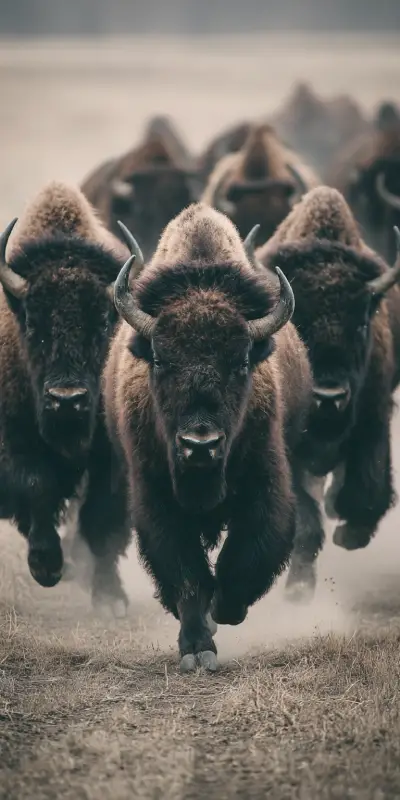
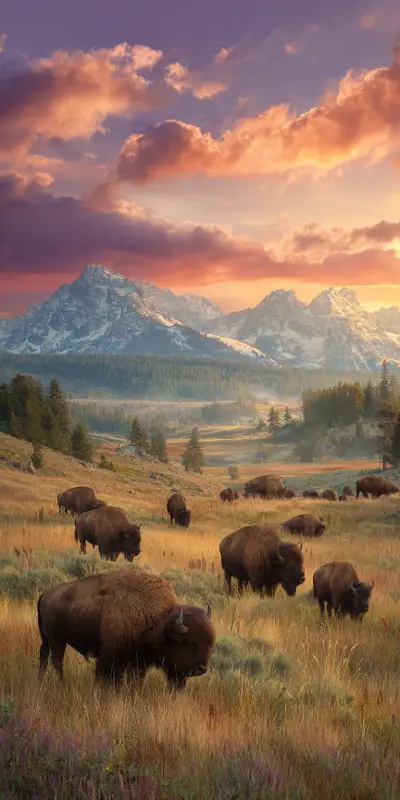
The American bison is a living monument to resilience. Standing up to 1.8 meters tall and weighing up to 900 kilograms, bison are the largest land mammals in North America. They can run at 65 km/h, jump 1.8-meter fences, and survive temperatures of -40°C. Their thick skulls act as snowplows in winter, pushing aside snow to reach grass underneath. But bison aren't just impressive physically. They're ecosystem engineers. When bison graze, they don't just eat grass—they transform landscapes. Their hooves break up soil, allowing seeds to take root. Their wallowing creates depressions that fill with rainwater, becoming mini-wetlands for amphibians and insects. Their waste fertilizes prairies. Where bison roam, biodiversity goes up. For over 10,000 years, Indigenous peoples of the Great Plains built their lives around bison. The animals provided everything: meat for food, hides for shelter and clothing, bones for tools, sinew for thread. Nothing was wasted. The near-extinction of bison wasn't just an ecological disaster. It was cultural genocide—a deliberate attempt to wipe out both a species and the peoples who depended on it. That's what makes Yellowstone's recovery so powerful. Every bison alive today carries the genes of those 23 survivors. Every calf born is proof that we can make up for our worst mistakes.