Phrasal Verb in Context
Tiny house hub

Big questions, tiny answers


Tiny House Hub:

Tiny house in Digital Revolution

Learn phrasal verbs to talk about the origins of the tiny house movement

Level: Upper-Intermediate to Advanced (A2-B2)


๐ŸŒฒ Learn English While Exploring the Wild
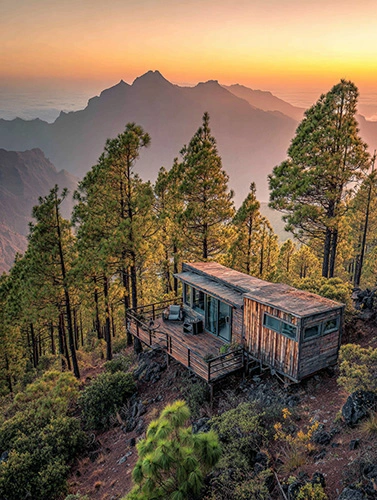
Modern tiny house parked in the wilderness, surrounded by tall pine trees, golden-hour warm sunlight, minimalist wooden architecture with large windows, peaceful freedom vibes

The tiny house movement is now a global trend โ€” but it started in the United States. It grew out of a collision between the ideology of the American Dream and the economic crises that have hit the country harder and harder since the 1970s. The promise was simple: work hard, buy a big house, and you've made it. But as housing costs climbed and wages stayed flat, that promise began to fall apart. Some Americans started asking uncomfortable questions.

What if the dream was actually a trap? What if owning less could mean living more? This hub tells that story โ€” how a radical idea born in the U.S. turned into a worldwide conversation about housing, debt, freedom, and what we really need to live well. Of course, the West and much of the world have faced similar pressures: rising costs, financial instability, and a growing sense that the old models no longer work.

Different cultures have found different answers. But understanding the American origins helps explain why tiny houses look the way they do โ€” and why the movement speaks to so many people, in so many places, today. ๐ŸŒฟ

Multimedia Learning Hub

๐ŸŽฅ Listen, watch and practise English with immersive videos, podcasts and shadowing

๐ŸŽญ Phrasal Verbs Video Practice

English Story Video for Phrasal Verbs Practice
๐ŸŒŸ Explore All Themes
Discover story-based lessons, videos and interactive practice

๐ŸŽ™๏ธ Story Podcast for Phrasal Verbs

Story Podcast for English Communication
๐ŸŽฏ Open the Phrasal Verbs Dictionary
Review advanced phrasal verbs with examples, meaning and practice
๐Ÿ†

Your Progress

0
Correct
0
Incorrect
0%
Accuracy
0
Score
00:00
Study Time

๐Ÿ”Š Listen & Practice This Card โ€” What Are National Practice shadowing: read while listening and repeat. Then write down a few expressions or sentences that stood out to you.
Speed:
0:00 / 0:00
Ready to play

๐ŸŒฒ Spreading Out Through Social Media

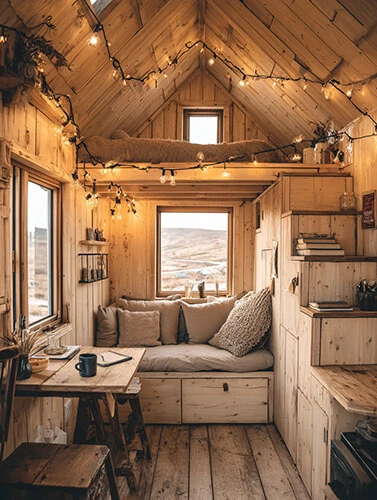
A cozy modern tiny house interior with a lofted bed decorated with colorful warm string lights, a small fold-down table with a coffee cup, clever built-in storage in every corner, soft warm lighting, minimalist modern wood design

Before social media, you had to know someone to learn how to build a tiny house. By the early 2010s, that changed completely. Bloggers started documenting their builds step by step. YouTubers filmed everything โ€” the victories, the disasters, the frozen pipes at 3 a.m. Unlike polished TV shows, these creators didn't hide the mess.

They talked openly about legal fights, zoning nightmares, and the days they wanted to give up. And that honesty? It made people trust them more. Then Instagram kicked in. Suddenly, tiny houses were everywhere โ€” those dreamy shots of lofted beds with fairy lights, fold-down tables with coffee cups, clever storage tucked into every corner.

One beautiful photo could communicate everything the movement stood for. Millions scrolled through their feeds and thought: I could live like that. People started saving ideas, mixing and matching designs, imagining their own tiny escapes. The brands caught on fast. Companies rolled out tiny-house-specific products: compact appliances, space-saving furniture, composting toilets that actually looked good.

What had started as a fringe movement now had its own marketplace. Social media had taken a scattered community and pulled it together across continents. People who would never meet in person were suddenly collaborating on builds, sharing floor plans, and pushing the boundaries of what a small space could do.

๐Ÿ”Š Listen & Practice This Card โ€” The Birth of National Parks Practice shadowing: read while listening and repeat. Then write down a few expressions or sentences that stood out to you.
Speed:
0:00 / 0:00
Ready to play

๐ŸŒฒ Setting Up Online Communities

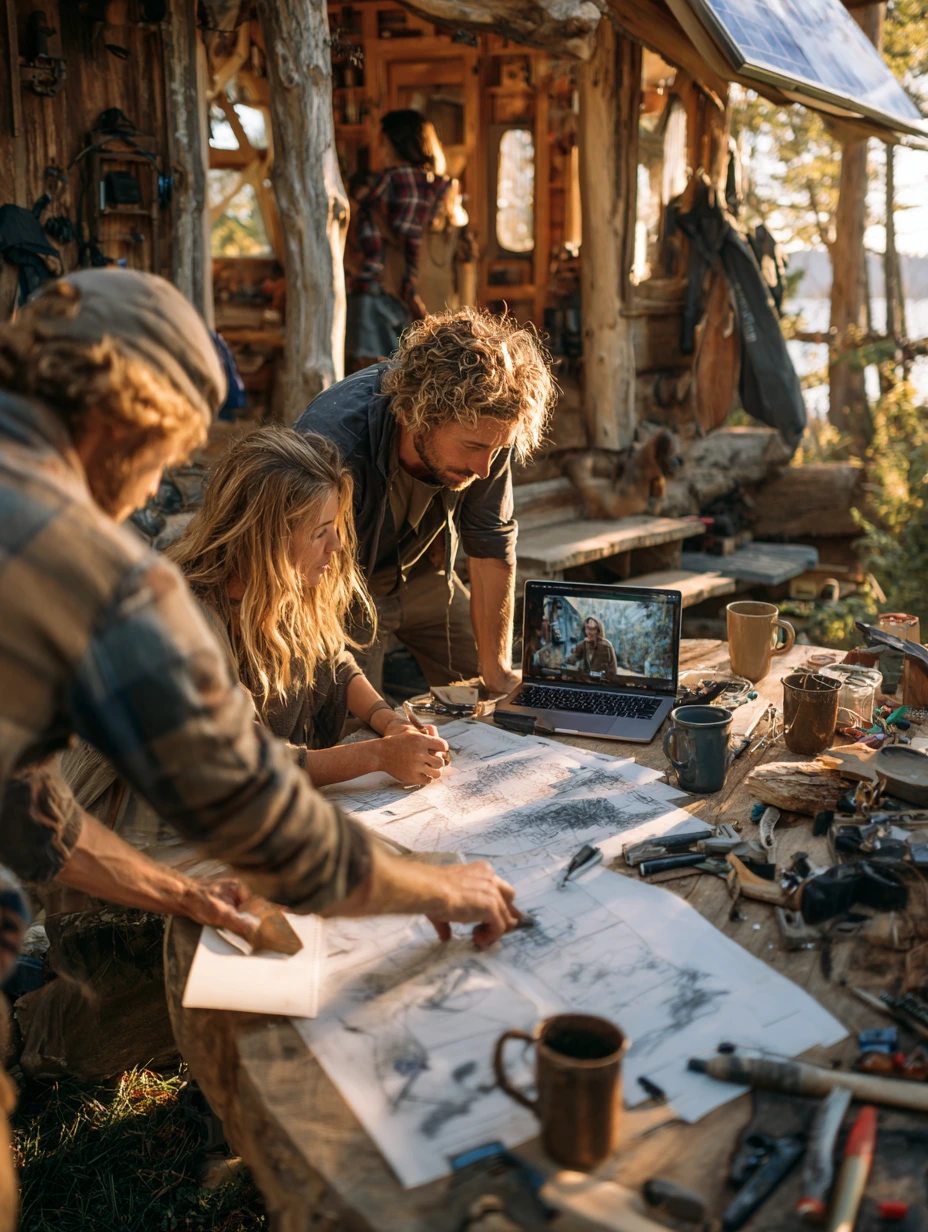
As the movement grew, people needed answers that Google couldn't give. How much weight can a trailer actually hold? What's the best composting toilet for cold climates? How do you wire a tiny house without burning it down? Dedicated forums and Facebook groups popped up to fill the gap โ€” spaces where beginners could ask "stupid questions" and get real answers from people who had already figured it out.

The vibe was different from traditional expert culture. Nobody acted superior. Builders who had spent years perfecting their craft took time to walk newcomers through every step, often backing up their advice with photos and even video calls. When someone ran into a problem โ€” maybe their solar system cut out in winter โ€” they could post about it at midnight and wake up to ten responses from people who had dealt with the same thing. This kind of knowledge, shared freely, built up over years into something no textbook could match.

Something else happened too. These online spaces started to feel like neighborhoods โ€” the kind that suburban sprawl had wiped out decades before. Members checked in on each other during long builds. They celebrated finished projects with genuine excitement. Sometimes they drove across states to help out in person.

Strangers became collaborators, then friends. The movement had created a new kind of community: one built on shared values instead of geography, but just as real.

A candid photograph of a small group of people collaborating around a tiny house project. A laptop sits open on a rough wooden table showing a video call in progress, while printed sketches, handwritten notes, and tools are scattered around. The tiny house structure is visible in the background with unfinished wood and exposed beams.
๐Ÿ”Š Listen & Practice This Card โ€” Technology and Park Management Practice shadowing: read while listening and repeat. Then write down a few expressions or sentences that stood out to you.
Speed:
0:00 / 0:00
Ready to play

๐ŸŒฒ Prime Time and Controversy

In 2014, tiny houses hit prime time. "Tiny House Nation" premiered and suddenly millions of Americans were watching families give up their 2,000-square-foot homes for spaces smaller than a garage. The cameras followed every emotional moment: the panic of sorting through decades of stuff, the tearful goodbyes to furniture, and finally, the surprised smiles when people settled into their new lives. Most viewers would never actually downsize โ€” but they couldn't look away. Netflix took it further.

Documentaries zoomed in on the design and craftsmanship, showing tiny houses as works of art, not just budget solutions. These films played up the sustainability angle and connected small living with bigger values. They made the movement look beautiful, aspirational, even glamorous. Interest spread globally. Viewers in Europe, Australia, and South America started asking: could this work here too?

But not everyone was happy. Critics pointed out that TV glossed over the hard parts โ€” the legal nightmares, the near-impossibility of finding land, the daily frustrations that don't make good television. Longtime builders grumbled that the media had watered down a radical movement and turned it into an aesthetic trend, just another Pinterest board. Still, even the skeptics had to admit one thing: television had put tiny houses on the map. It had kicked off conversations about alternative living that might never have happened otherwise.

And once those conversations started, they didn't stop.

๐Ÿ”Š Listen & Practice This Card โ€” Technology and Park Management Practice shadowing: read while listening and repeat. Then write down a few expressions or sentences that stood out to you.
Speed:
0:00 / 0:00
Ready to play

๐ŸŒฒ Conclusion: Tiny Houses in the Digital Age

Social media didn't just spread out information about tiny houses โ€” it brought together a global community that could build up something powerful. What started as scattered blogs and YouTube channels turned into a full-blown movement where millions could tune into real stories, raw struggles, and genuine victories. The honesty didn't hold back potential builders; it drew in people who were tired of polished perfection and ready to figure out their own paths to simpler living. Online communities stepped up where traditional resources fell short. Forums and Facebook groups took over as the real education hubs, where experienced builders would break down complex problems and walk through solutions at any hour.

When someone's solar system would cut out in the middle of winter, the community would jump in with advice, photos, and encouragement. This wasn't knowledge that people had to dig up from expensive courses โ€” it was freely shared, constantly built on, and impossible to put down once you got involved. Television kicked off mainstream conversations that social media had been building toward for years. While critics worried that shows glossed over the movement's radical roots and played up the aesthetic appeal, the impact couldn't be denied. Millions who would never give up their conventional homes still started to think through what mattered most in their lives.

The tiny house movement had grown beyond a niche experiment โ€” it had turned into a global conversation about values, community, and what it truly means to settle into a life that feels right.

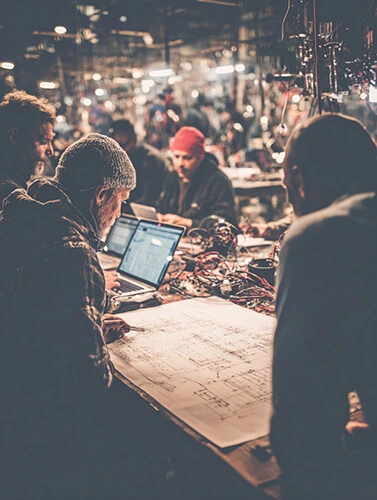
A group of diverse people gathered around laptops in a warm workspace, collaborating on a technical DIY project, blueprints and wiring diagrams on the table, friendly teamwork mood, warm colorful cinematic lighting
Tiny Houses & Social Media Revolution Quiz
Read carefully and choose the best answer
Question 1/15
Score: 0/15
According to the text, what happened when Instagram 'kicked in'?
0/15
Well done!
๐Ÿ‘ฅ

Join Our Community!

Study the phrasal verbs on this page and then join our community with suggestions, comments, and learning

f Join the Community
0%
Scroll to Top