Phrasal Verb in Context
National Parks

Land that inspires, trails that challenge, life that endures


Topic introduction

๐ŸŒฒ Learn English While Exploring the Wild

A woman holding a glass filled with the essence of nature, as if she is drinking pure life. Inside the glass, swirling green mist, tiny glowing leaves, soft floating petals, and particles of light. Her expression is serene and mesmerized. Sunlight filtering through the trees creates golden bokeh around her

National parks are more than breathtaking landscapesโ€”they're sanctuaries where we reconnect with nature and ourselves. In a world that constantly pulls us toward screens and stress, intentional contact with the wild offers a powerful reset for mind and body.

But these protected spaces also play a vital role in preserving wildlife and ecosystems for future generations. When we learn about national parks, we don't just expand our vocabularyโ€”we deepen our understanding of why conservation matters.

At WeeklyCross, we believe the best way to master phrasal verbs is by experiencing them in meaningful contexts. That's why this hub explores nature, self-care, and environmental awarenessโ€”topics that inspire you while helping you learn how native speakers really use English.

Below you'll find key phrasal verbs featured on this pageโ€”but there are plenty more waiting for you to discover. Enjoy your journey through language and nature! ๐ŸŒฟ

deal with , squeeze in, cut short, build up, get away, leave out, step out, pack out, head out, weigh down, show up, bring in, look up, leave behind, run into, fit in
Multimedia Learning Hub

๐ŸŽฅ Listen, watch and practise English with immersive videos, podcasts and shadowing

๐ŸŽญ Phrasal Verbs Video Practice

English Story Video for Phrasal Verbs Practice
๐ŸŒŸ Explore All Themes
Discover story-based lessons, videos and interactive practice

๐ŸŽ™๏ธ Story Podcast for Phrasal Verbs

Story Podcast for English Communication
๐ŸŽฏ Open the Phrasal Verbs Dictionary
Review advanced phrasal verbs with examples, meaning and practice
๐Ÿ†

Your Progress

0
Correct
0
Incorrect
0%
Accuracy
0
Score
00:00
Study Time

๐Ÿ”Š Listen & Practice This Card โ€” Protecting Biodiversity Practice shadowing: read while listening and repeat. Then write down a few expressions or sentences that stood out to you.
Speed:
0:00 / 0:00
Ready to play

๐ŸŒฒ Protecting Biodiversity

National parks have brought back numerous species that were once dying out due to habitat loss and hunting. When populations drop off dramatically, protected areas provide safe havens where animals can build up their numbers without human threats. The American bison, which was nearly wiped out in the 19th century, managed to bounce back thanks to conservation efforts in Yellowstone and other parks. Scientists who look after endangered species often rely on national parks as crucial breeding grounds where recovery programs can take off successfully. These protected zones filter out many human activities that would otherwise wear down fragile ecosystems, allowing nature to spring back from previous degradation.

Biodiversity doesn't just come down to protecting individual speciesโ€”it requires preserving entire ecosystems that different organisms depend on for survival. National parks keep up the complex relationships between predators and prey, plants and pollinators, that make up healthy environments. When parks take in diverse habitats like forests, wetlands, and grasslands, they ensure that ecological processes can carry on functioning naturally. Rangers watch over these areas carefully, checking on population levels and picking up on early warning signs of ecosystem stress. By holding back invasive species and cutting down on human disturbances, park management helps native wildlife get by and even flourish in protected environments.

๐Ÿ”Š Listen & Practice This Card โ€” Indigenous Peoples and National Parks Practice shadowing: read while listening and repeat. Then write down a few expressions or sentences that stood out to you.
Speed:
0:00 / 0:00
Ready to play

๐ŸŒฒ Indigenous Peoples and National Parks

The creation of national parks has often brought up difficult questions about Indigenous land rights and historical injustices. Many governments took over ancestral territories without consent, pushing out native peoples who had looked after these lands for thousands of years. Indigenous communities were frequently driven out of areas that were turned into parks, forced to give up their traditional ways of life. These groups grew up with deep knowledge of local ecosystems, yet park authorities initially shut out their voices from management decisions. Historic policies that kept out Indigenous peoples have led to ongoing tensions that conservationists are only now beginning to sort out through dialogue and recognition of traditional rights.

Modern conservation movements are finally catching up with the need to bring in Indigenous knowledge and work with native communities rather than against them. Progressive park systems now reach out to tribal leaders and take on co-management arrangements that draw on traditional ecological wisdom. Indigenous rangers who take care of protected areas often come up with innovative solutions that blend ancestral practices with modern science. Some nations have begun to hand back management authority to Indigenous peoples or set aside new protected areas under tribal control. As these partnerships take shape, they demonstrate that conservation doesn't have to rule out Indigenous rightsโ€”instead, both can team up to achieve better outcomes for nature and people alike.

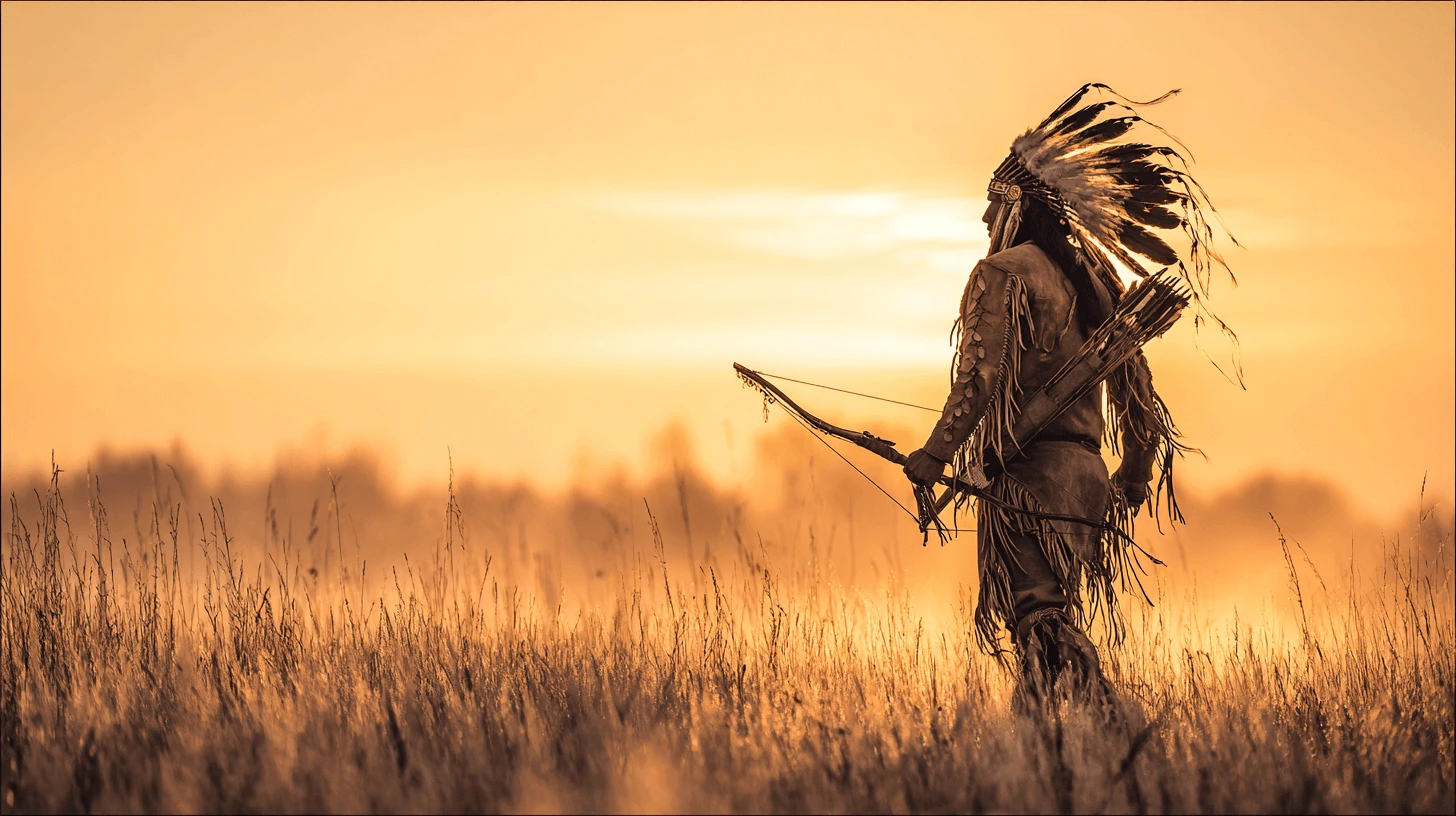
Indigenous person walking through a golden grass field at sunset
๐Ÿ”Š Listen & Practice This Card โ€” Popular Activities in National Parks Practice shadowing: read while listening and repeat. Then write down a few expressions or sentences that stood out to you.
Speed:
0:00 / 0:00
Ready to play

๐ŸŒฒ Popular Activities in National Parks

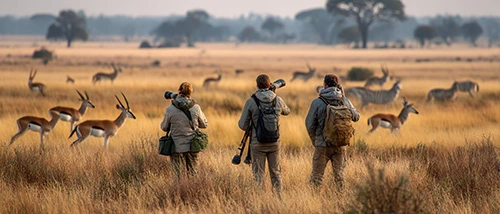
Three people standing in an open savannah plain, quietly observing and photographing wildlife from a distance. They carry professional cameras with telephoto lenses and wear neutral outdoor clothing. In the background, wild animals such as antelopes and zebras move freely across the landscape.
Ready to read

National parks stand out as remarkable places where biodiversity, cultural heritage, and human connection all come together. These protected areas have helped countless species bounce back from the edge of extinction, proving that when we set aside land for conservation, nature can spring back in extraordinary ways. As more people catch on to the importance of preservation, support for national parks continues to build up around the world.

The growing partnerships with Indigenous communities are opening up new possibilities for conservation that draws on thousands of years of traditional knowledge. When park authorities team up with native peoples, they come up with solutions that honor both ecological science and ancestral wisdom. This collaborative approach points to a future where conservation and Indigenous rights no longer rule each other out.

As millions of visitors head out to explore these natural wonders each year, they take away more than just photographs and memories. Responsible travelers who stick to guidelines and look after the environment help ensure these landscapes carry on thriving for generations to come. The future of national parks depends on all of us working together to keep up the legacy of conservation.

๐Ÿ”Š Listen & Practice This Card โ€” Conclusion: Our Shared Responsibility Practice shadowing: read while listening and repeat. Then write down a few expressions or sentences that stood out to you.
Speed:
0:00 / 0:00
Ready to play

๐ŸŒฒ Conclusion: Our Shared Responsibility

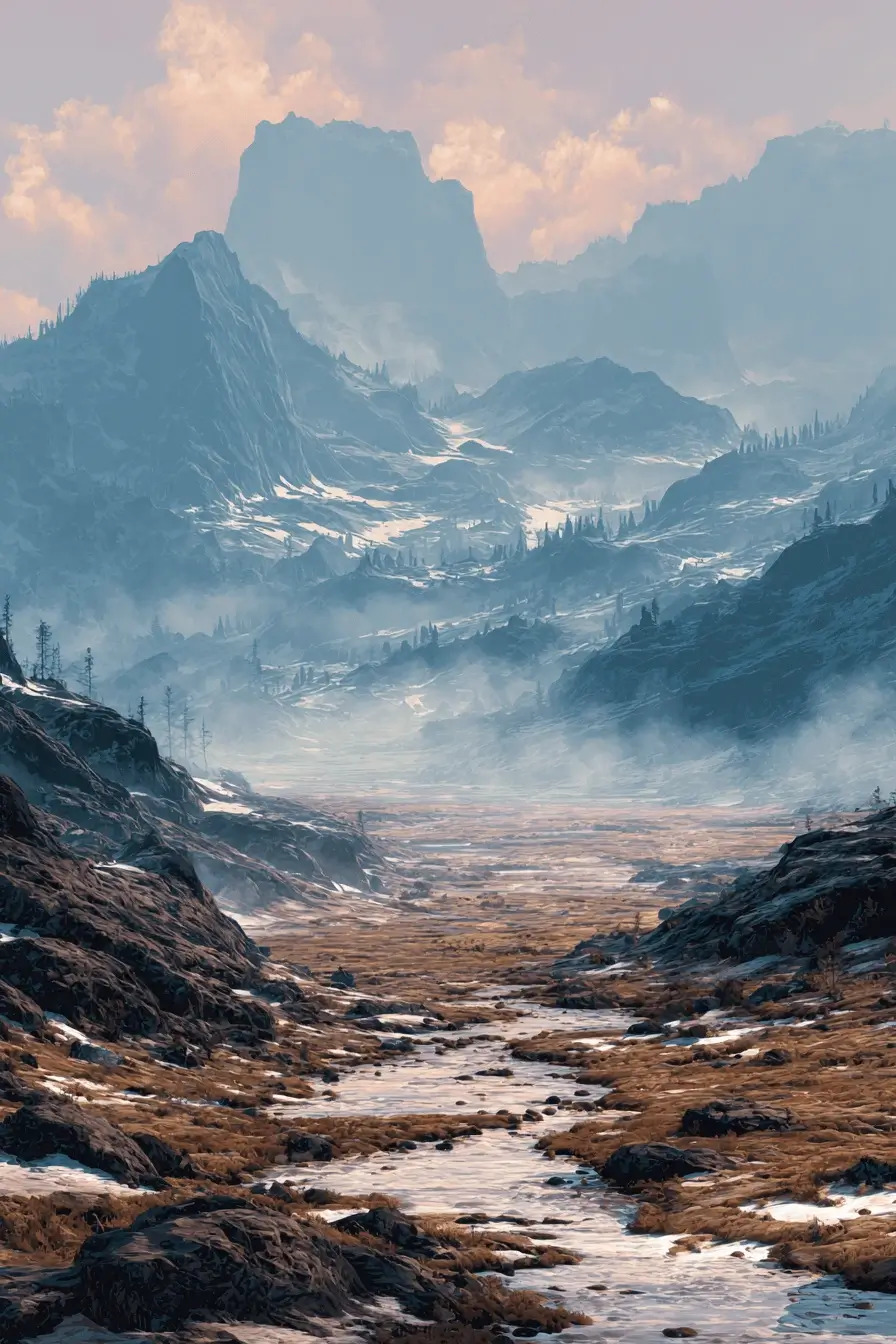
A national park in distress: a once snowy mountain

Rising temperatures are bringing about dramatic changes that national parks cannot keep out despite their protected status. Glaciers that once stretched out across mountain valleys are melting away at alarming rates, while changing precipitation patterns dry up waterways that wildlife counts on for survival. Some species are moving up to higher elevations or shifting over to cooler regions, leaving behind habitats they've occupied for millennia. Extreme weather events tear through parks with increasing frequency, and wildfires break out more often as drought conditions take hold across many regions. Scientists who track down climate impacts struggle to keep pace with the rapid changes, and park managers must figure out adaptive strategies even as they run up against budget constraints and political obstacles.

The popularity of national parks has led to overcrowding problems that threaten the very resources that draw in visitors. During peak seasons, tourists pour into famous parks, filling up parking lots and trails beyond capacity. Fragile ecosystems break down when too many feet trample over vegetation and when visitors stray from designated paths. Some parks have had to bring in reservation systems to cut down visitor numbers, though these restrictions sometimes keep out people who lack internet access or planning resources. Park officials must constantly weigh up the mission to provide public access against the need to hold down environmental damage, trying to work out solutions that balance out conservation with recreation.

Match the Parks & Biodiversity Phrasal Verbs
0/10

Click one item in Column A and its meaning in Column B. Complete all pairs.

Column A โ€“ Phrasal Verbs

Column B โ€“ Meanings

Don't Learn Alone!

Join our English Learning Community on Facebook where students and teachers discuss lessons, share progress, and practice together. Turn your learning into a permanent habit!

๐Ÿ’ฌ Join Our Community

โœ“ Daily practice tips ยท โœ“ Live discussions ยท โœ“ Support from fellow learners

0%
Scroll to Top