Topic introduction

๐ŸŒฒ Learn English While Exploring the Wild

A woman holding a glass filled with the essence of nature, as if she is drinking pure life. Inside the glass, swirling green mist, tiny glowing leaves, soft floating petals, and particles of light. Her expression is serene and mesmerized. Sunlight filtering through the trees creates golden bokeh around her

National parks are more than breathtaking landscapesโ€”they're sanctuaries where we reconnect with nature and ourselves. In a world that constantly pulls us toward screens and stress, intentional contact with the wild offers a powerful reset for mind and body.

But these protected spaces also play a vital role in preserving wildlife and ecosystems for future generations. When we learn about national parks, we don't just expand our vocabularyโ€”we deepen our understanding of why conservation matters.

At WeeklyCross, we believe the best way to master phrasal verbs is by experiencing them in meaningful contexts. That's why this hub explores nature, self-care, and environmental awarenessโ€”topics that inspire you while helping you learn how native speakers really use English.

Below you'll find key phrasal verbs featured on this pageโ€”but there are plenty more waiting for you to discover. Enjoy your journey through language and nature! ๐ŸŒฟ

deal with , squeeze in, cut short, build up, get away, leave out, step out, pack out, head out, weigh down, show up, bring in, look up, leave behind, run into, fit in
Multimedia Learning Hub

๐ŸŽฅ Listen, watch and practise English with immersive videos, podcasts and shadowing

๐ŸŽญ Phrasal Verbs Video Practice

English Story Video for Phrasal Verbs Practice
๐ŸŒŸ Explore All Themes
Discover story-based lessons, videos and interactive practice

๐ŸŽ™๏ธ Story Podcast for Phrasal Verbs

Story Podcast for English Communication
๐ŸŽฏ Open the Phrasal Verbs Dictionary
Review advanced phrasal verbs with examples, meaning and practice
๐Ÿ†

Your Progress

0
Correct
0
Incorrect
0%
Accuracy
0
Score
00:00
Study Time

๐Ÿ”Š Listen & Practice This Card โ€” Environmental Challenges Practice shadowing: read while listening and repeat. Then write down a few expressions or sentences that stood out to you.
Speed:
0:00 / 0:00
Ready to play

๐ŸŒฒ Environmental Challenges

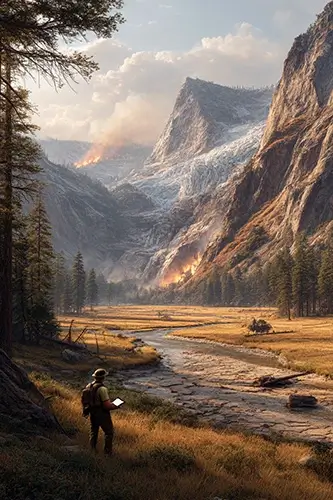
national park showing the impact of climate change and overcrowding at the same time. In the background, a once-massive glacier has shrunk dramatically, with exposed dark rock and thin patches of ice,

Rising temperatures are bringing about dramatic changes that national parks cannot keep out despite their protected status. Glaciers that once stretched out across mountain valleys are melting away at alarming rates, while shifting precipitation patterns dry up waterways that wildlife counts on for survival. Some species are moving up to higher elevations or shifting over to cooler regions, leaving behind habitats they've occupied for millennia. Extreme weather events tear through parks with increasing frequency, and wildfires break out more often as drought conditions take hold across many regions.

Human activities outside park boundaries continue to close in on protected areas, threatening ecosystems that depend on larger landscapes to function properly. Development projects eat away at buffer zones, while roads and infrastructure cut through migration corridors that animals rely on. Invasive species that people accidentally bring in can take over native habitats, pushing out indigenous plants and disrupting food webs. Air pollution from distant cities drifts into even remote parks, while light pollution blots out the night skies that once inspired visitors and guided nocturnal wildlife.

Park ecosystems are breaking down under multiple pressures that pile up faster than natural systems can adapt. Soil erosion carries away nutrients that vegetation needs to spring up each season, while pollutants build up in water sources. Disease outbreaks among wildlife populations have taken off as climate stress weakens animal immune systems. Scientists who look into these cascading effects worry that tipping points may come about suddenly, causing irreversible changes that wipe out entire ecosystems before managers can work out effective interventions.

๐Ÿ”Š Listen & Practice This Card โ€” Management Challenges Practice shadowing: read while listening and repeat. Then write down a few expressions or sentences that stood out to you.
Speed:
0:00 / 0:00
Ready to play

๐ŸŒฒ Management Challenges

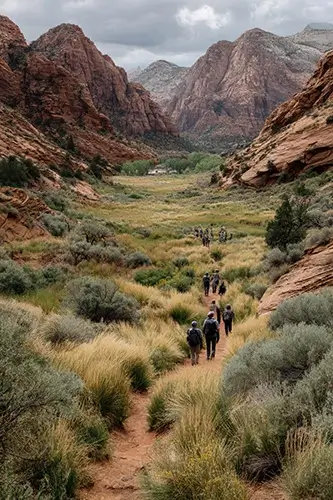
The popularity of national parks has led to overcrowding problems that threaten the very resources that draw in visitors. During peak seasons, tourists pour into famous parks, filling up parking lots and trails beyond capacity. Fragile ecosystems break down when too many feet trample over vegetation and when visitors stray from designated paths. Some parks have had to bring in reservation systems to cut down visitor numbers, though these restrictions sometimes keep out people who lack internet access or planning resources. Park officials must constantly weigh up the mission to provide public access against the need to hold down environmental damage.

Chronic underfunding forces park managers to make do with resources that don't keep up with growing needs. Maintenance backlogs pile up as aging infrastructure wears out faster than budgets allow for repairs. Ranger positions that fall open through retirement often go unfilled, leaving skeleton crews to cover for absent colleagues across vast territories. When emergency situations come up, parks must dip into already stretched budgets, forcing managers to put off other critical projects. Political pressures sometimes get in the way of science-based management decisions, as officials give in to demands from special interest groups rather than stand up for conservation priorities.

Illegal activities continue to crop up despite enforcement efforts that rangers carry out with limited resources. Poachers who slip into remote areas can take down protected wildlife before patrols catch up with them. Visitors who set off into backcountry without permits sometimes set up illegal camps or leave behind trash that builds up over time. Drug trafficking operations occasionally move through isolated parks, and marijuana farms that criminals set up on public lands use up water resources while introducing harmful chemicals. Rangers who come across these operations must call in additional law enforcement, pulling them away from conservation duties.

 O people walking close together, some stepping off the trail onto fragile vegetation. The landscape shows signs of wear: trampled grass, exposed soil, damaged plants. Natural lighting, neutral colors, no dramatic effects
๐Ÿ”Š Listen & Practice This Card โ€” Innovative Solutions Practice shadowing: read while listening and repeat. Then write down a few expressions or sentences that stood out to you.
Speed:
0:00 / 0:00
Ready to play

๐ŸŒฒ Innovative Solutions

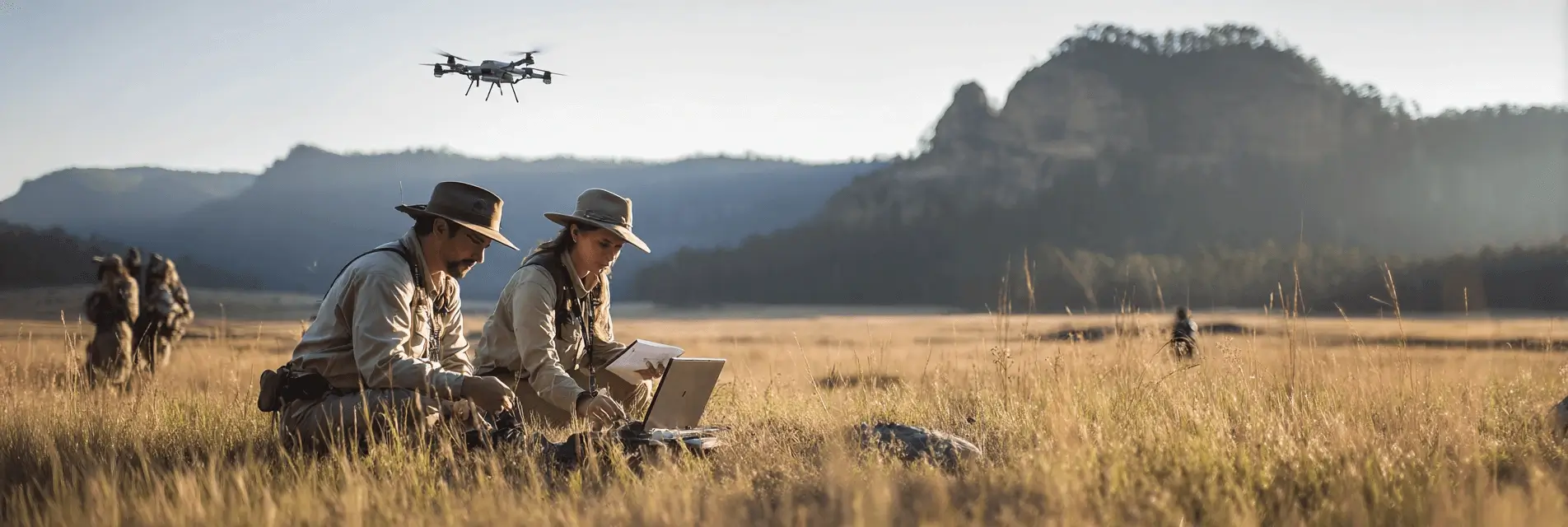
Modern technology has opened up new possibilities for park rangers who watch over vast wilderness areas. Drones that fly over remote regions can pick out illegal activities or zoom in on wildlife populations without disturbing them. Camera traps set up along trails automatically take pictures of passing animals, helping researchers track down elusive species and figure out population trends. GPS collars that scientists put on large mammals transmit data that shows up on monitoring screens, allowing managers to follow along with animal movements in real-time. These innovations help small ranger teams cover for the limitations of traditional foot patrols and keep up with the demands of managing enormous protected areas.

Park services are increasingly turning to public volunteers who sign up for citizen science programs that bring together conservation and education. Participants take on data collection tasks, writing down observations that back up professional research efforts. Mobile apps allow hikers to key in wildlife sightings or report on trail conditions, information that feeds into park management databases. These programs have taken off dramatically, drawing in thousands of enthusiasts who want to pitch in with conservation work. By reaching out to the public and getting them involved in meaningful ways, parks build up constituencies of supporters who stand up for increased funding and protection measures.

Forward-thinking park managers are working out sustainable tourism strategies that spread out visitor impacts while maintaining the experiences that people come for. Timed-entry systems space out arrivals to prevent trails from becoming overwhelmed, while shuttle services cut down on vehicle congestion and parking problems. Educational programs that spell out Leave No Trace principles help visitors think through their environmental impact before they set out on adventures. Some parks have set aside zones where human activity is strictly limited, allowing ecosystems to bounce back from years of heavy use. Revenue from entrance fees and permits goes toward conservation projects, ensuring that tourism pays off in tangible benefits rather than simply wearing down natural resources.


park ranger in uniform sitting at a monitoring a park in the wilderness
๐Ÿ”Š Listen & Practice This Card โ€” Conclusion: Looking Ahead Practice shadowing: read while listening and repeat. Then write down a few expressions or sentences that stood out to you.
Speed:
0:00 / 0:00
Ready to play

๐ŸŒฒ Conclusion: Looking Ahead

The challenges facing national parks call for urgent action before irreversible damage sets in. Climate change, overcrowding, and illegal activities are bearing down on protected areas, threatening to undo decades of conservation work. Yet dedicated rangers and conservationists refuse to give in, fighting every day to hold on to what remains of our wild spaces. If we don't step up now, future generations may miss out on experiencing these natural wonders that our predecessors set aside for protection.

Success stories from around the world have shown that conservation efforts can pay off when governments and communities come together around shared goals. Yellowstone, the Serengeti, and Torres del Paine stand out as living proof that protected areas can bounce back from serious threats when resources are poured into preservation. These achievements point to what's possible when societies get behind conservation and visitors pitch in by following responsible tourism practices. The momentum is building up as more people wake up to the urgent need to protect our remaining wilderness areas.

New technologies are opening up exciting possibilities for park management and wildlife protection that previous generations could never have imagined. Drones, GPS tracking, and artificial intelligence are helping rangers keep up with poachers, track down endangered species, and stay ahead of environmental changes. As these tools catch on around the world, parks are gearing up for a future where innovation and conservation go hand in hand to safeguard our planet's most precious landscapes. The work that rangers and scientists carry out today will determine whether the next generation can look forward to inheriting wild places that still inspire wonder and take their breath away.

Iconic Parks & Conservation Technology Quiz
Read carefully and choose the best answer
Question 1/12
Score: 0/12
According to the text, what makes the Serengeti 'stand out' among protected areas?
0/12
Well done!
๐Ÿ‘ฅ

Join Our Community!

Study the phrasal verbs on this page and then join our community with suggestions, comments, and learning

f Join the Community
0%
Scroll to Top