🦩 The Prehistoric Bird That Survived
In the previous page, you traveled to Yellowstone and witnessed how American bison came back from the brink of extinction—from just 23 animals to over 5,000 today. That story proved that political will and protected spaces can turn around a species' fate.
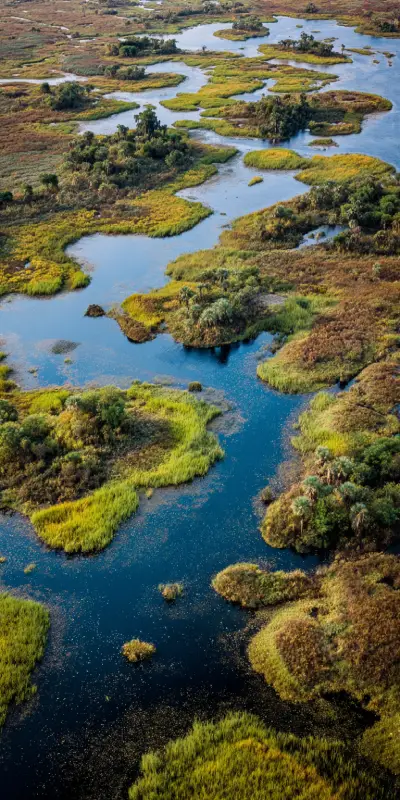
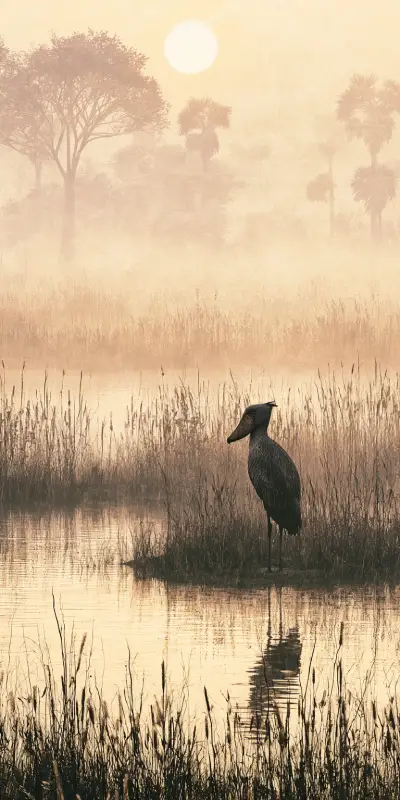
Now we cross the Atlantic to Bangweulu Wetlands in Zambia, where a very different creature fights for survival: the shoebill stork.
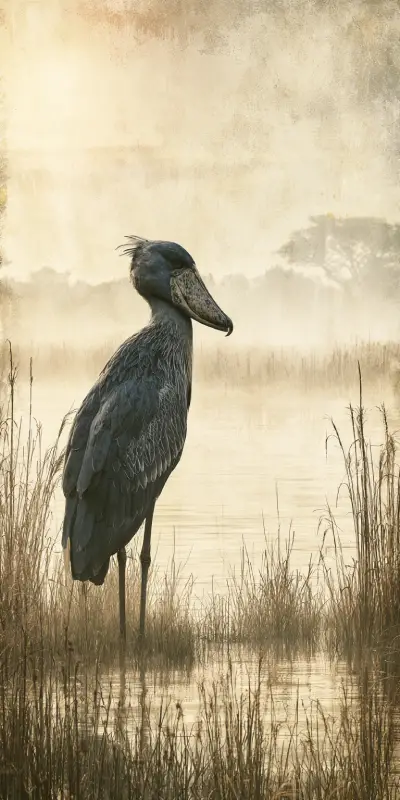
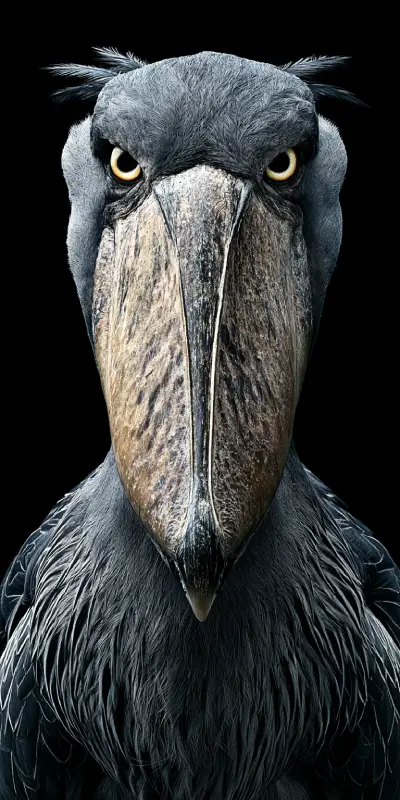
Standing 1.5 meters tall with a massive bill and an ancient, penetrating stare, the shoebill looks like it walked straight out of the Cretaceous period. Only 5,000 to 8,000 remain in the wild—and half of them live in Bangweulu.
But here's the twist: saving the shoebill wasn't just about rangers and fences. It required bringing local communities in as partners, not enemies. Bangweulu's story shows that conservation works best when people aren't shut out—but invited to become protagonists.
As you read, pay attention to how these phrasal verbs appear naturally in context.
Ready to meet the queen of the swamps?